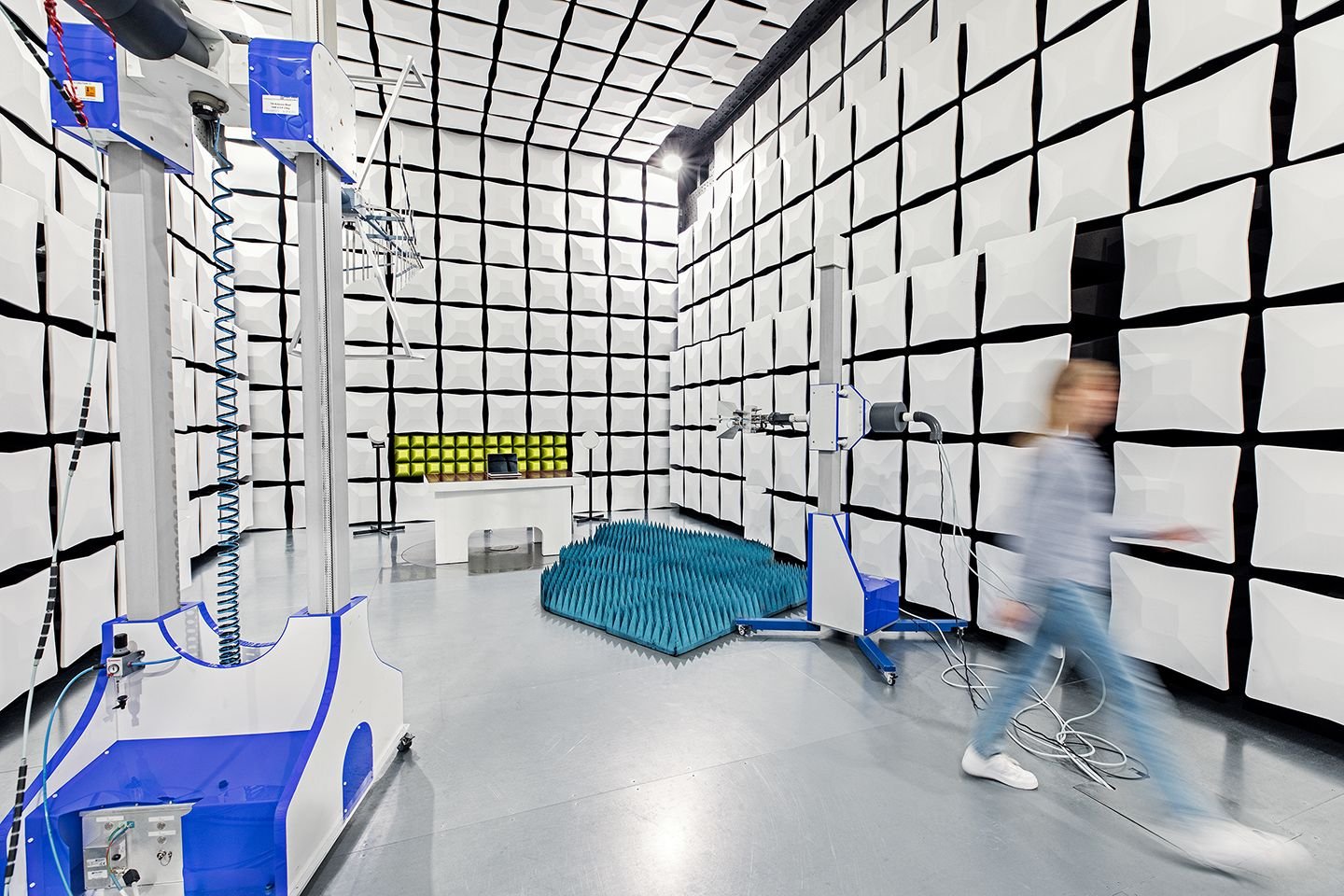
Antenna design and EMC pre-compliance.
Same team, same lab.
Sigma Connectivity designs your product’s RF systems, antennas and connectivity, then runs EMC pre-compliance and OTA measurements on the finished device in-house. The same engineers can diagnose, retune and verify issues before formal testing, reducing the risk of late-stage re-spins.




Proven on products that had to pass

"Most RF projects hit delays at the compliance stage because compliance is treated as a final step instead of a design input. At Sigma, we run antenna simulation, RF tuning, EMC pre-compliance and FCC preparation in the same lab, with the same team. We think about certification from the first schematic. For our customers, that usually means one pre-compliance cycle instead of three."
Industrial handheld · Multi-radio RF
Bartec EX
A rugged industrial 5G smartphone shipping as one hardware SKU for global markets. We delivered the complete RF subsystem and antenna design.
- RF scope
- Complete antenna design · Schematics · PCB layout · SAR sensor · EN-DC/CA band customization
- Radios
- 2G–5G · Wi-Fi 6 · BT 5.3 · GNSS
- Platform
- Qualcomm QCM6490
Wearable comms · DECT + Bluetooth
Husqvarna X COM ACTIVE
Group intercom for arborists: ten users talking simultaneously through headsets worn in demanding outdoor conditions.
- RF scope
- DECT/Bluetooth coexistence · Antenna tuning in a body-loaded enclosure
- Radios
- DECT · Bluetooth
- Platform
- Qualcomm QCC5144 · RTX DECT 1040
Mission-critical · 5G + FirstNet
HMD Secure Ivalo XE
RF and antenna development for a rugged professional smartphone. Antenna performance validated across the full band set for mission-critical deployment.
- RF scope
- Antenna development · Full band-set validation
- Radios
- 5G incl. FirstNet Band 14 · Wi-Fi 7 · NFC · BT 5.4
- Platform
- Qualcomm Dragonwing Q-6690
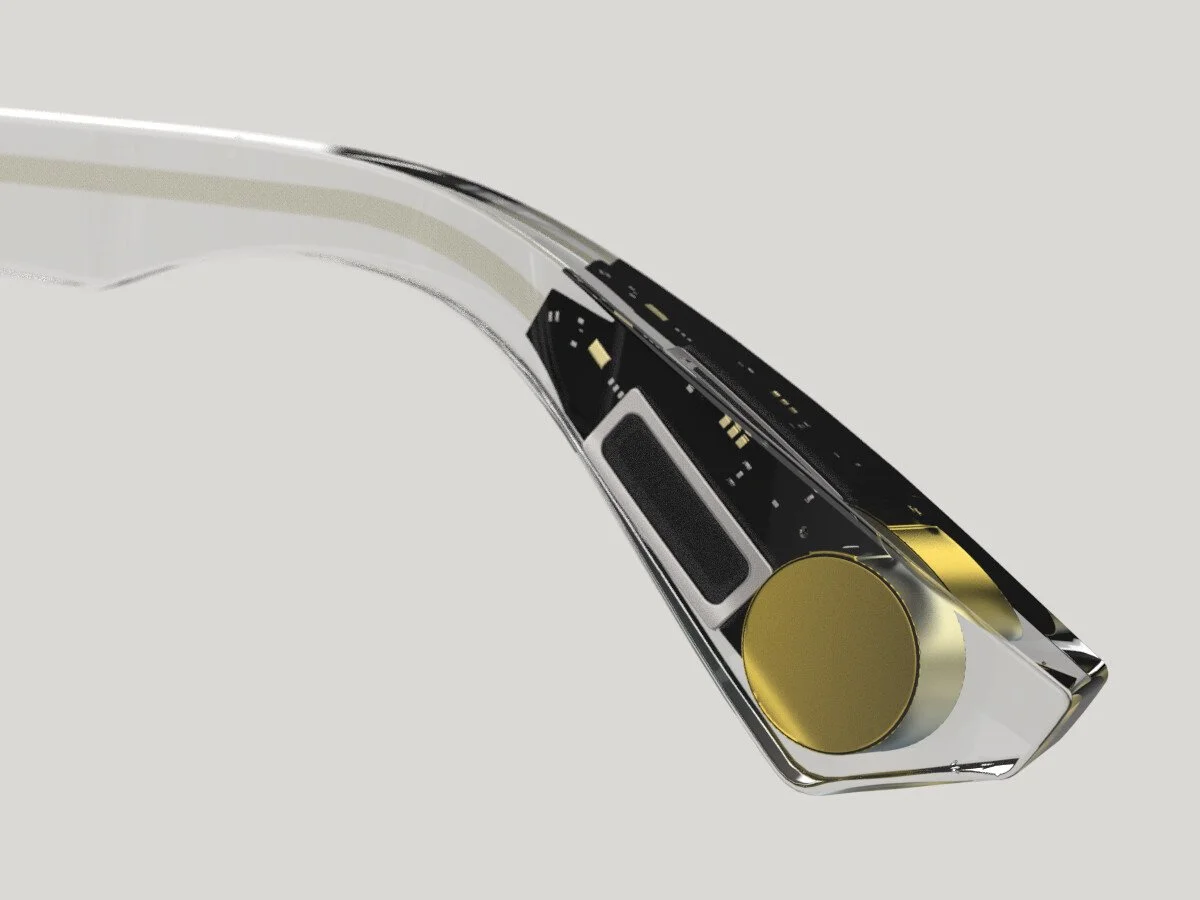
Smart glasses · Bluetooth LE
Xocchiali
Antenna development for smart glasses: design, simulation, prototyping and verification of the BLE antenna in a glasses form factor.
- RF scope
- Antenna design · Simulation · Prototyping · Verification
- Radios
- BLE 5.0
- Platform
- Customer-selected BLE platform
Design and compliance in one loop
When antenna design and compliance testing happen at two different companies, every issue crosses a contract boundary. And it crosses late, when the product is nearly finished and every change is expensive. We close that loop: the engineer who sees a failing measurement can retune, fix the schematic or the enclosure, and verify the same fix in the same building.
You don’t have to hand us the whole project. Engagements run from a single antenna review to full RF ownership through certification. Teams bring us a failing design, one antenna problem, or the whole scope. The loop is the same.
Each failed test crosses the boundary into the other company’s queue.
Design, tuning, and pre-compliance measurement share one building and one team.
Each failed test crosses the boundary into the other company’s queue.
Design, tuning, and pre-compliance measurement share one building and one team.
Issues that can surface at the compliance stage. None of them are inevitable, and the last one is never fully in anyone’s control. Finding them while the design can still change is the point:
- 01Pre-conceptAntenna feasibility before the form factor locks: alternative solutions, size and shape, off-the-shelf module risk.
- 02Concept developmentBands prioritized and integrated. Antenna impedance and EM simulation, OTA performance validated on fixtures.
- 03Detailed designAntenna schematics delivered into the product project; the antennas are designed into the device, not added to it.
- 04Antenna labTuning, impedance matching, gain, efficiency, isolation, and detuning of the antennas from the user’s hand, head and body.
- 05Active-device labThe finished device measured over the air: EMC and EMI, pre-certification tests, benchmarking against leading brands.
- 06Live testsAntenna performance as the user experiences it: real-world tests against reference devices.
● = in Sigma’s own labs · steps 01–05 run in the same building
The hardest antenna problems are worn on the body
Small connected products create a different antenna problem. There is less physical space, enclosure materials shift RF performance, the user’s hand or body detunes the antennas, and several radios still have to coexist. The product has to meet its requirements anyway.
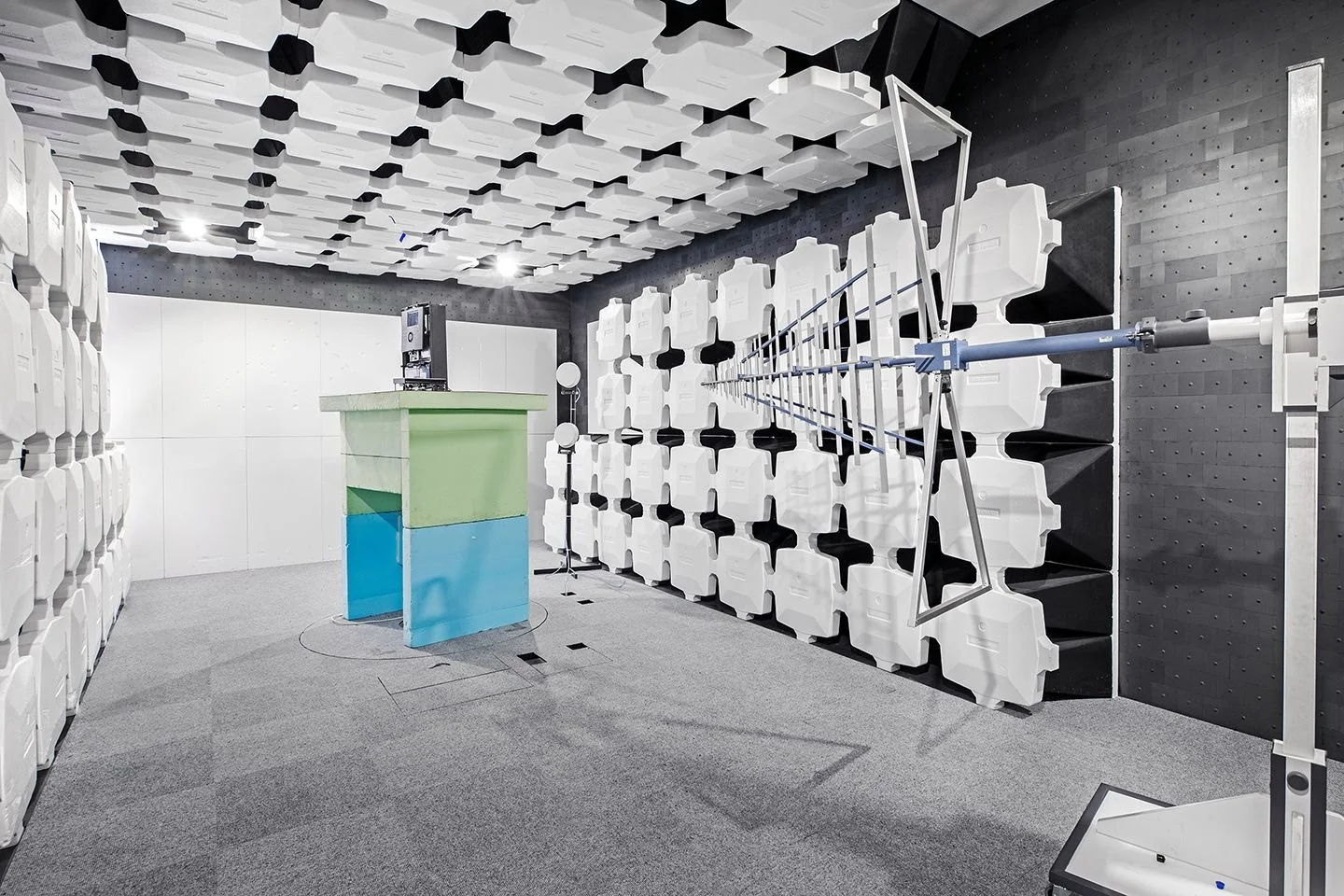
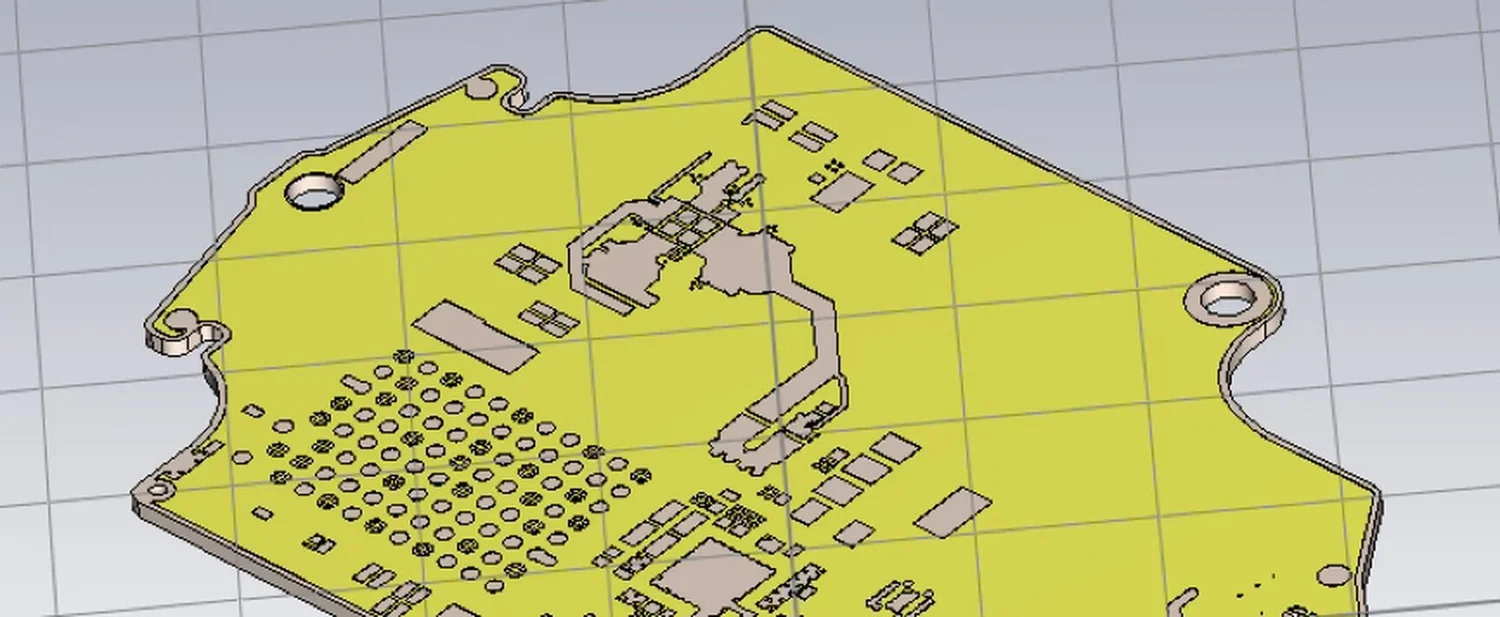
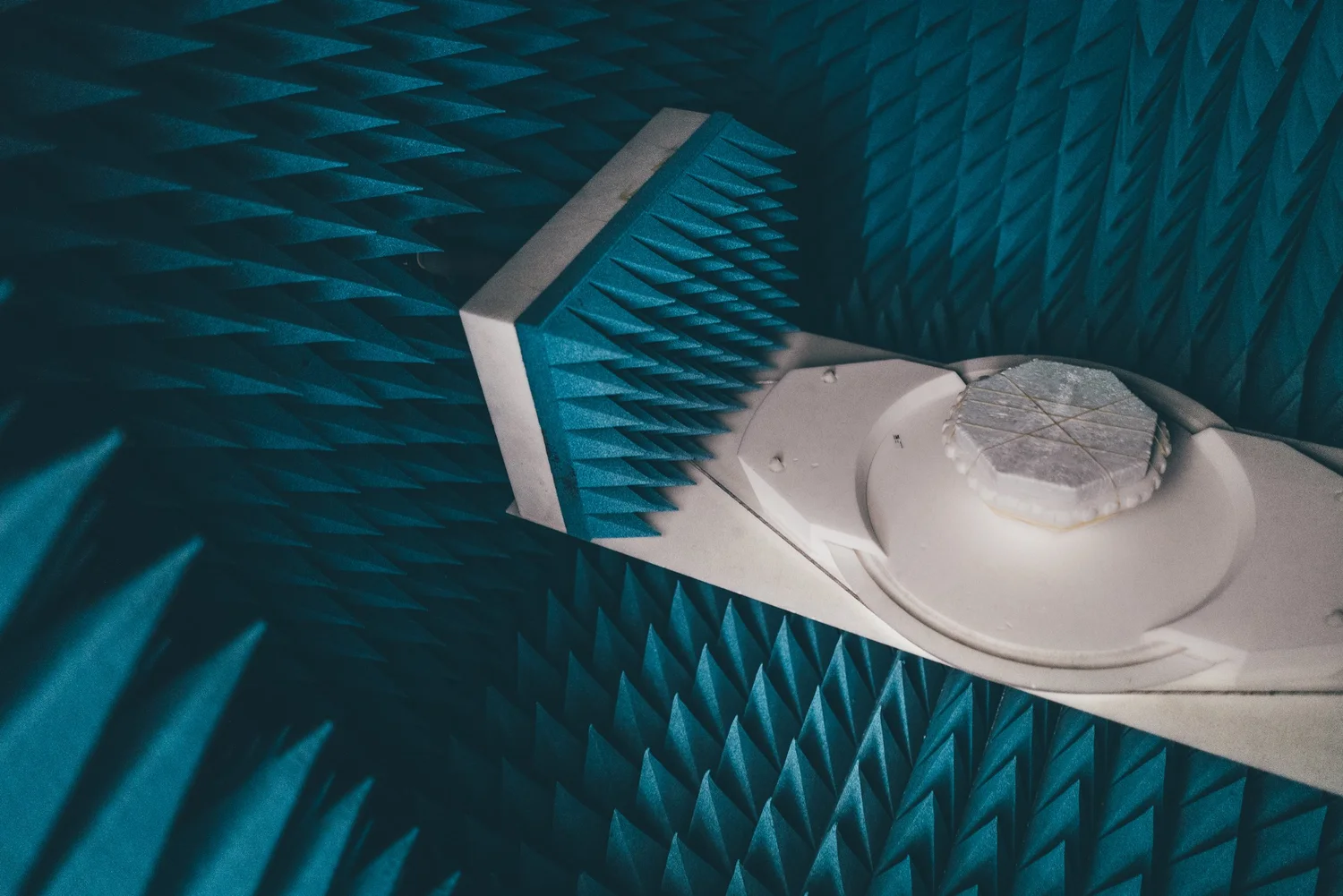
We design and tune the antennas in the context of the finished product, then measure OTA performance in realistic use positions. Antenna geometries are validated on 3D-printed mockups before PCB fabrication; body-worn designs are tuned and measured on head and hand phantoms, in the positions the product will be worn.
From 400 MHz to 60 GHz, from design to measurement
Design work extends below 400 MHz when the product needs it; low-frequency emissions are measured in the SAC5 chamber.
Antenna design
- Simulation and placementFor mission-critical applications
- Custom antenna design400 MHz–60 GHz, embedded and external
- MiniaturizationFor space-constrained enclosures
RF systems
- RF front-end architectureIncluding impedance matching
- Multi-radio and MIMOCoexistence, e.g. DECT and Bluetooth
- Link-budget analysisAgainst OTA performance targets
Measurement & compliance
- Efficiency, TRP, and TISMeasured in our own chambers
- Body-proximity tuningHandheld and wearable devices
- EMC pre-complianceAnd design troubleshooting
The lab
- MVG SG 24L anechoic chamber3D TRP / TIS · antenna efficiency
- SAC5 semi-anechoic chamberEmissions · low-frequency
- Radiated spurious-emissions testingIn-house
- EMC pre-compliance benchEmissions · immunity
- Network analyzers & communication testersTuning · troubleshooting
- SimulationCST · Optenni · SIwave · ADS
- SPEAG head & hand phantomsBody-proximity
Platform experience
- QualcommQCM6490, Dragonwing Q-6690, and QCC51x families
- Nordic SemiconductornRF52x and nRF91x
- Silicon LabsMGM, BGM, and EFR
- QuectelBG9x
Standards coverage
Wireless technologies
We do the engineering: RF and antenna design, EMC pre-compliance, OTA measurement, and the test-readiness evidence behind your submission. Formal testing and approval are run by accredited laboratories and certification bodies.
Questions we get before a project starts
Can Sigma handle RF design, antenna design and EMC pre-compliance together?
How is pre-compliance different from certification testing?
When should we involve Sigma?
What EMC work can Sigma perform?
Can Sigma get our product FCC certified or provide CE approval?
Can you troubleshoot a device with range, sensitivity or coexistence problems?
Which wireless technologies and platforms do you support?
Tell us what it has to pass
Tell us what you’re building, which radios are involved, and where the product ships. Vesa will route your request to the right RF engineer, who will assess whether Sigma is a fit and explain the next step.
Sigma also designs Audio DSP & Voice Processing and Camera & Computer Vision systems.

San Diego, CA +1 858-603-4984 Vesa.Korkala@sigmaconnectivity.com

Sigma Connectivity is part of the Sigma Group, with 4,000 experts across 12 countries, combining technology, design, and engineering.
Sigma also designs Audio DSP & Voice Processing and Camera & Computer Vision systems.